

This week on Everybody in the Pool
I love this week’s episode with my entire nerdy heart, and so far, it’s been great to see that you’re all loving it, also. We’re talking about nuclear energy, but we’re mostly talking about the unexpected little (or not so little, really) enabling tech layer without which we’re not getting fusion or next-generation fission.
For context, nuclear energy has been back in the headlines a lot lately, in no small part because big tech hyperscalers are trying to lock down as much nuclear power as possible to fuel their data centers. (I will not say there’s a nuclear “boom,” but other people have said it. Ok, fine. I said it.)
Next-generation nuclear fission promises all the core benefits of nuclear power — carbon-free, reliable baseload power, but in different form factors, like small modular reactors that are modular, factory-built, and easy to scale. New (if still unproven at scale) designs built around molten-salt reactors promise to be safer and more efficent.
Then, of course, there’s fusion — and yes, many fusion energy companies will gently correct you if you call it “nuclear.” Technically, it is nuclear (you’re changing atomic nuclei), but it’s not nuclear fission — there’s no combustion, no chain reactions, and far less long-lived radioactive waste. Plus, of course, once we crack it at scale, it’s virtually limitless energy.
But every gold rush needs shovels, right? In episode 137, I talked with Dr. John Elling, CEO of Molten Salt Solutions, who informed me that the world doesn’t currently have any meaningful commercial-scale supply of shovels — in this case, enriched lithium isotopes.
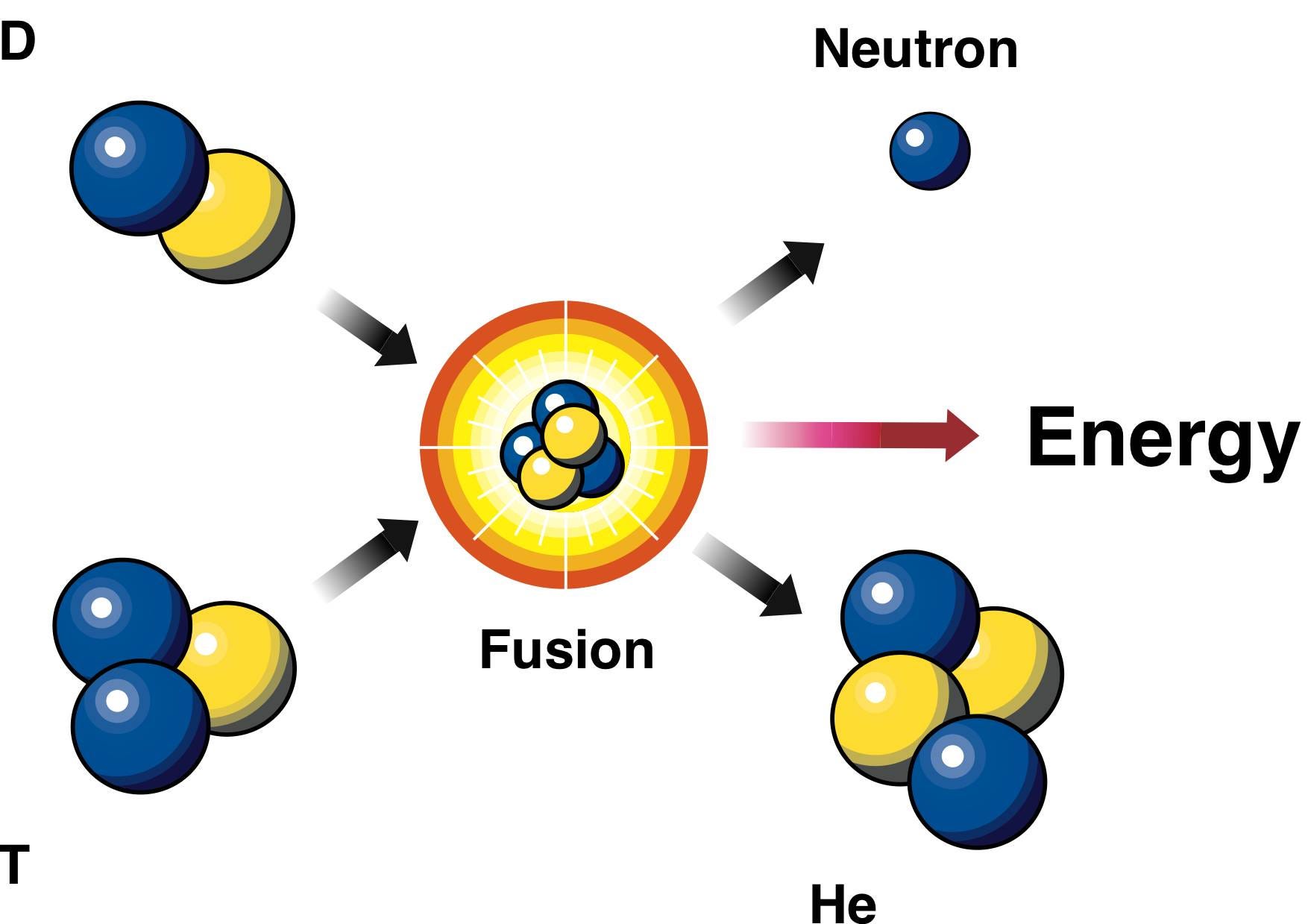
Things I now know, thanks to this episode: lithium comes in two stable isotopes, lithium-6 and lithium-7, and which one you want depends on what kind of reactor you’re building. For nearer-term fusion reactors, the leading fuel choice is deuterium–tritium. But tritium is scarce, so many designs plan to use lithium‑6 to “breed” more of it inside the reactor, using neutrons.
Meanwhile, on the fission side, those molten salt reactors are the big next-generation hotness, and they rely on ultra-pure lithium-7, which is produced through the same enrichment supply chain as lithium-6. But, just to keep being a nerd, molten salt reactors specifically don’t want lithium-6 to turn their lithium into tritium.
Anyway, one supply-chain bottleneck, two different futures for nuclear energy at risk.
Elling says the next decade of fusion development alone could require hundreds of tons of enriched lithium-6, and current commercial capacity is basically, uh, zero. He said some companies in the molten-salt fission world have resorted to enriching lithium-7 themselves because they can’t buy what they need.
Elling’s company is developing a scalable approach to isotope enrichment that, unlike previous technologies, doesn’t involve mercury, which is also good news. Molten Salt Solutions is racing to build its first commercial facility in New Mexico, aiming to deliver early kilogram-scale quantities soon, then, as you might imagine, scale as fast as possible.
Listen to the episode here or wherever you get your podcasts!
What you (I) missed: Episode 136 and greener buildings!
I missed last week’s newsletter due to the three-day weekend and, well, if I’m being honest, my birthday. So please catch up on this episode about the hard work of the US Green Building Council of California, which helps advocate for and set building standards across the state. Globally, of course, buildings account for about 42% of emissions, Stapleton told me that in Los Angeles, where he lives, it’s more like 65%
USGBC California is pushing “building performance standards” that essentially say: measure how a building performs (energy and carbon per square foot), then require steady improvement over time—because the buildings we already have will still be almost all the buildings we’ll have for decades. And the organization has done crucial work around rebuilding and resilience. Stapleton and his family were evacuated during the 2025 LA fires, and afterwards, the organization turned its wildfire defense work into rebuilding guides and contractor training. Meanwhile, their Net Zero Accelerator offers a glimpse of what’s next: Stapleton predicts, in addition to electrification and automation, a wave of innovation in material reuse so that tearing down a building doesn’t mean throwing away … most of a building.
I attended the organization’s Green Building Conference in Berkeley last week and I’ll be tracking down and featuring some of the companies from the Net Zero accelerator in the near future!
Recommended reading
I try not to be depressing, but sometimes, the degree to which we are losing the information war is utterly devastating. Forbes reports that, according to new Pew research, most Americans aren’t convinced humans are causing climate change.
“Pew released new data Thursday that shows only 48% of Americans believe climate change is the result of human activity—a view shared by a vast majority of scientists—and fewer people believe it now than when the same question was asked in 2019 and 2022.”
Make no mistake, this is on purpose, and is the result of careful, determined misinformation campaigns combined with the fact that media coverage on climate change is absolutely tanking, per this piece in Earth.org, citing new research.
According to a year-end analysis by the Media and Climate Change Observatory (MeCCO), climate-related issues, events, and developments in 2025 garnered less frequent coverage around the world, down 14% in 2025 compared to the previous year 2024, and 38% lower than the highest year of coverage in 2021. In fact, last year’s coverage ranked just 10th in the past 22 years of tracking global coverage of climate change or global warming.
I have, however, seen quite a lot of climate change coverage in the past year or so … about tennis. The CNN headline:
‘It’s insane’: How climate change is having an impact at Roland Garros
I guess it’s better than nothing. But as always, one of the most significant climate actions you can take is to keep talking about climate change.
See you next week.